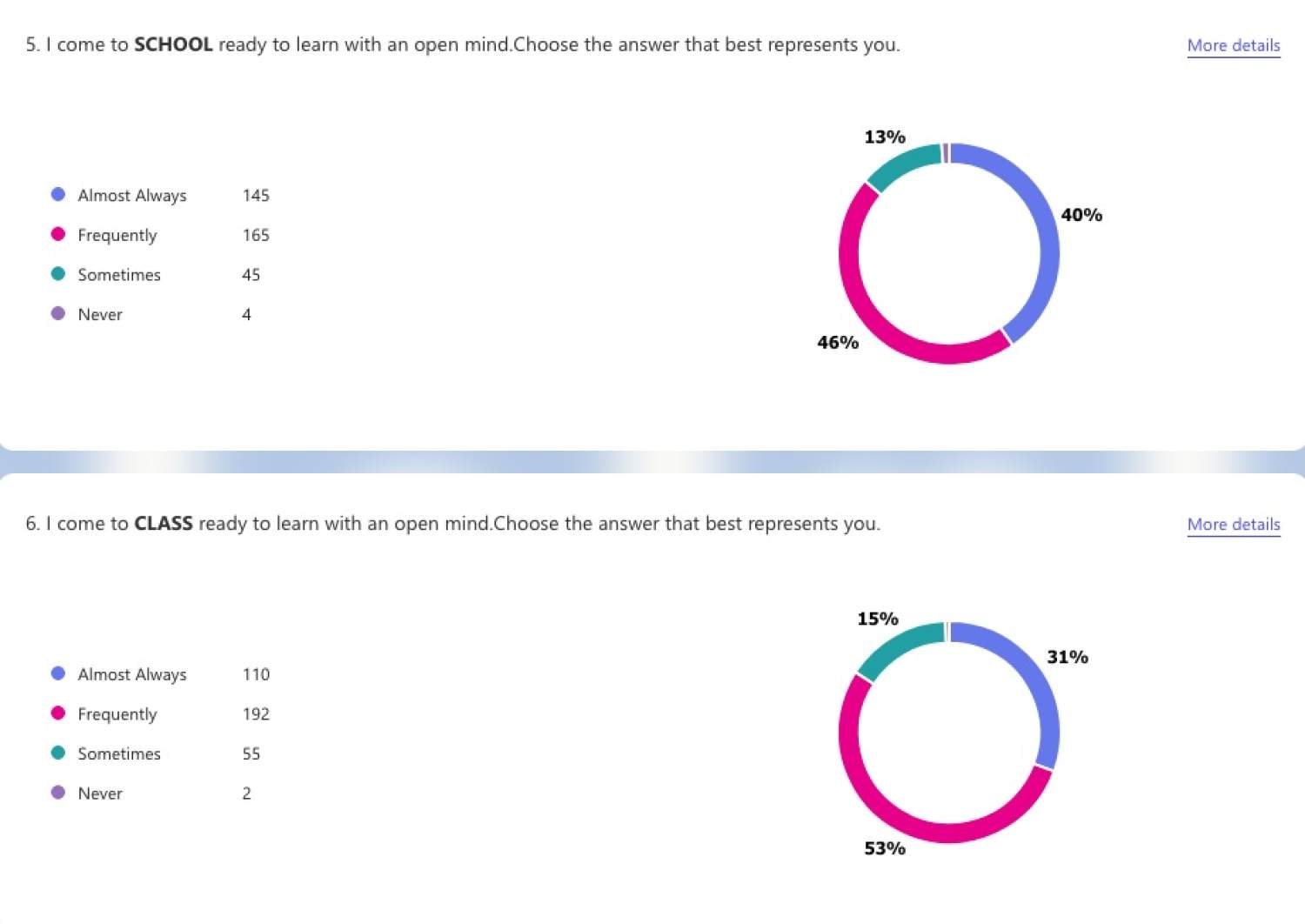
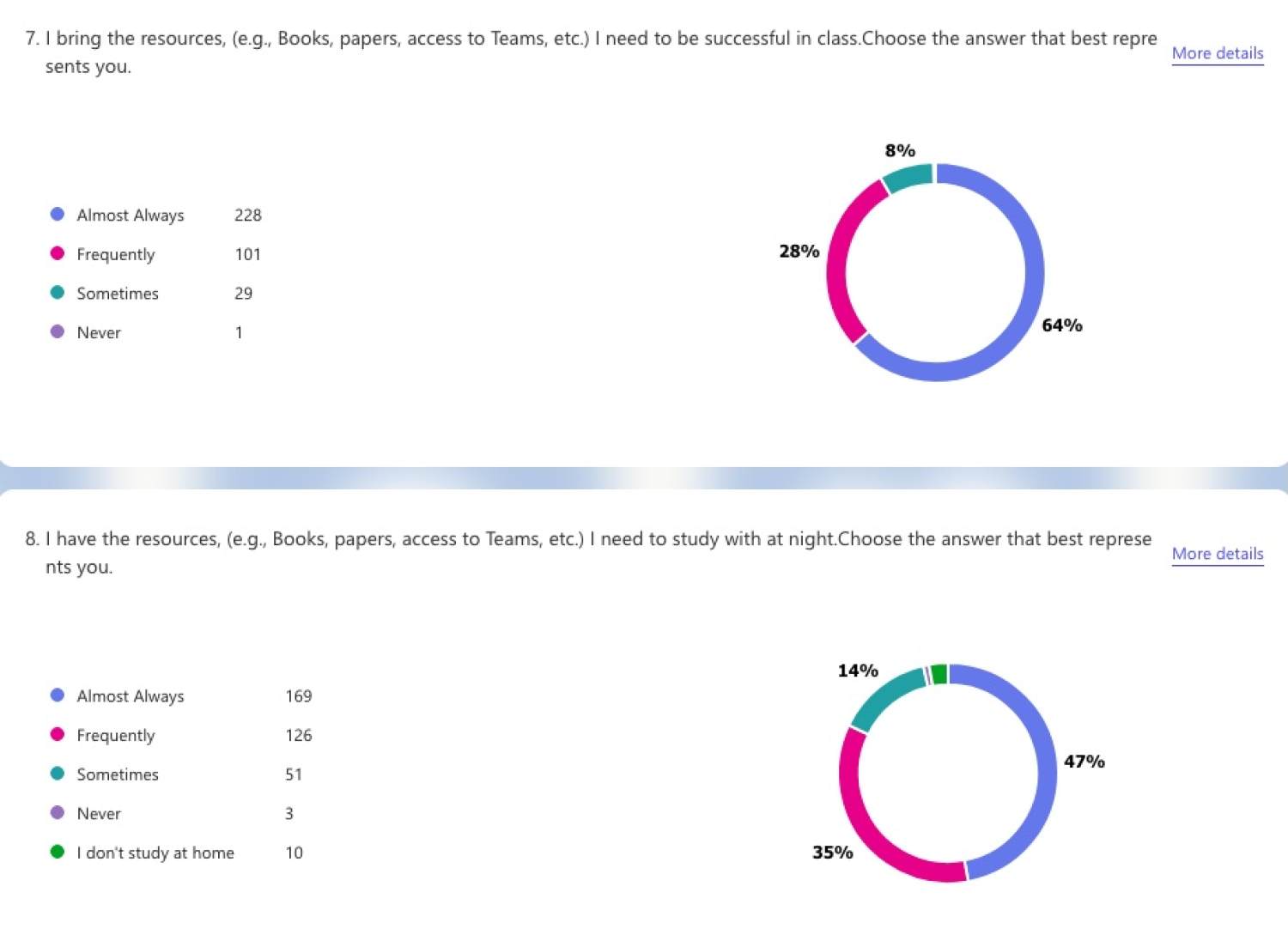
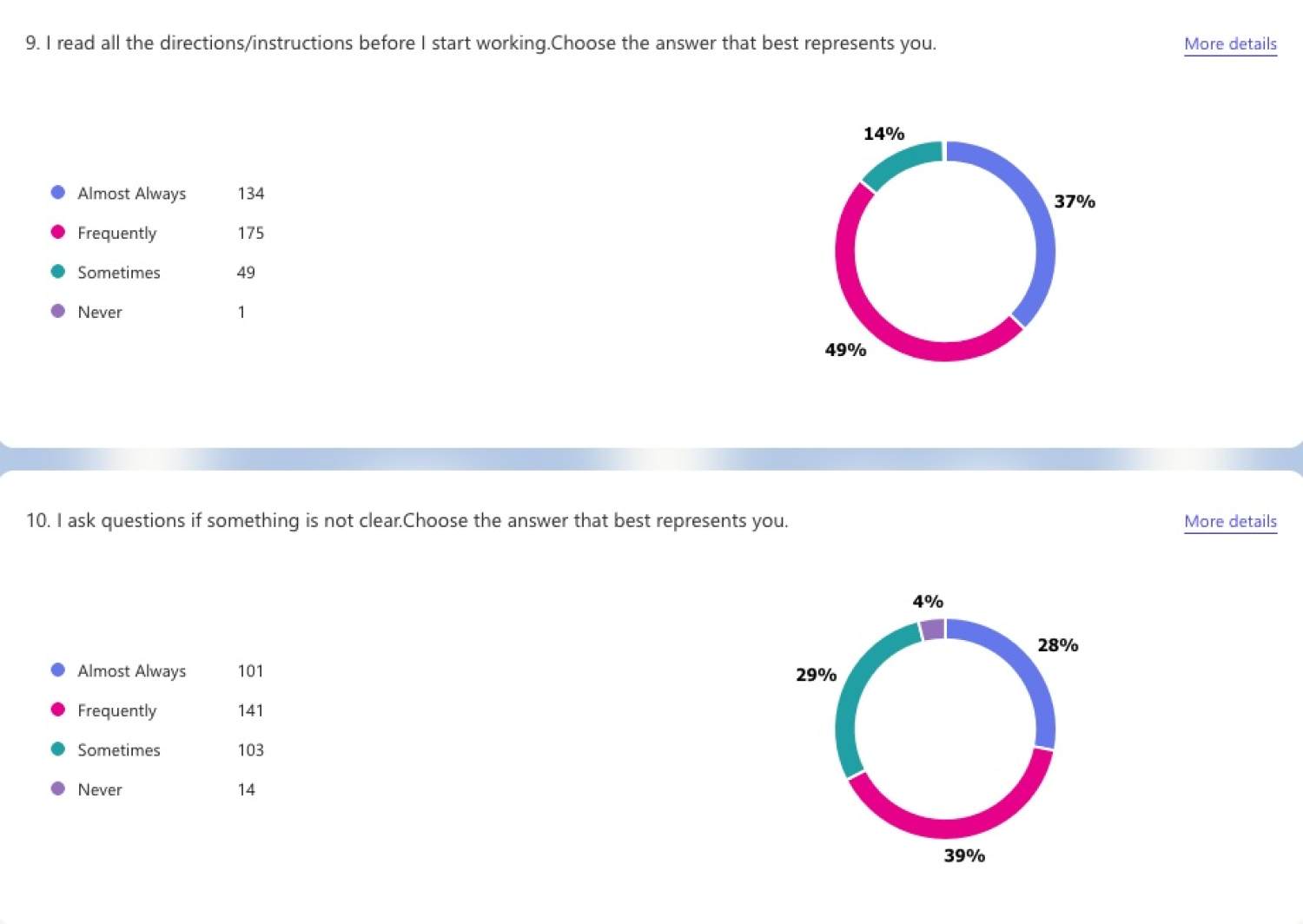
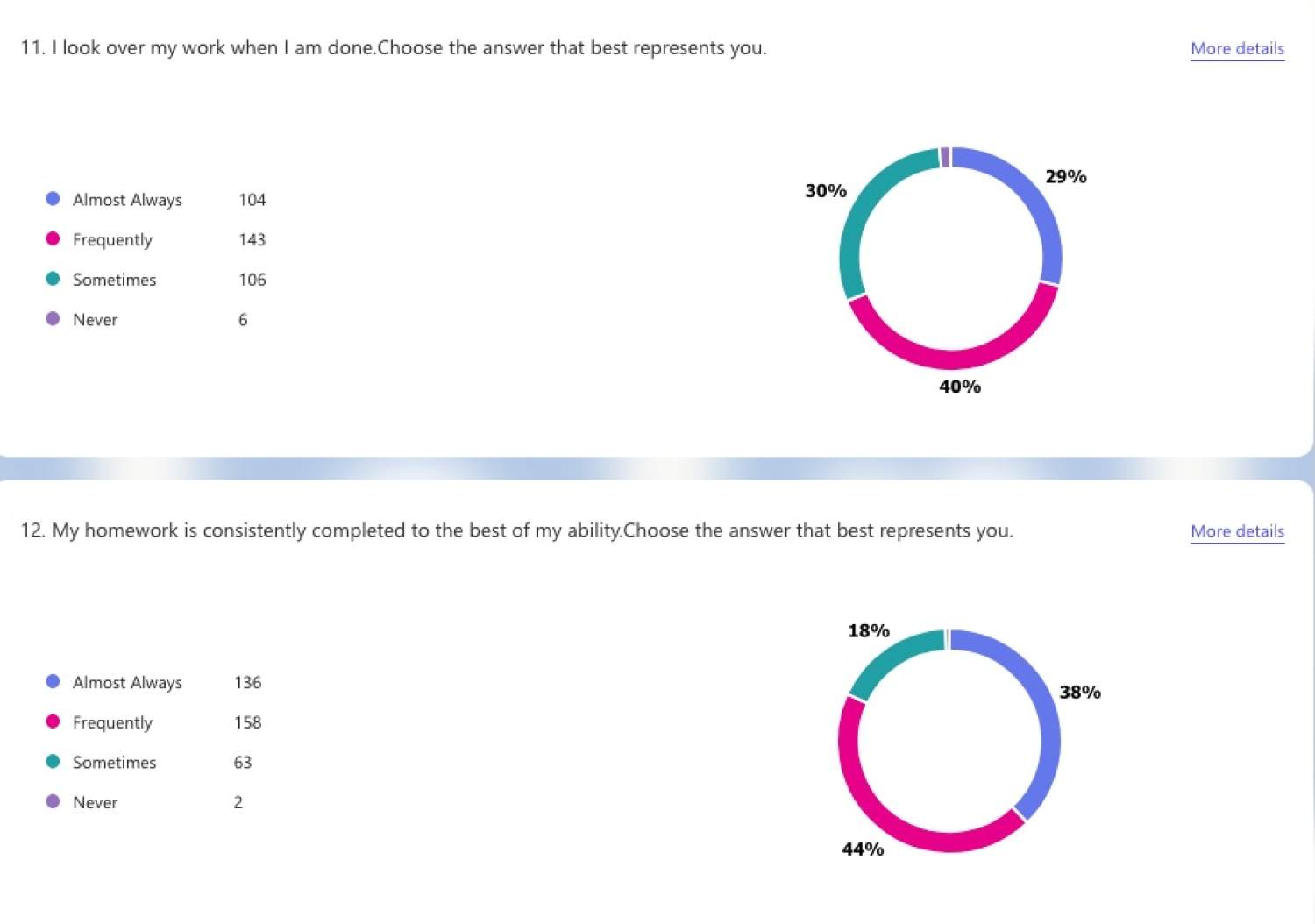
Executive Functioning December 2025
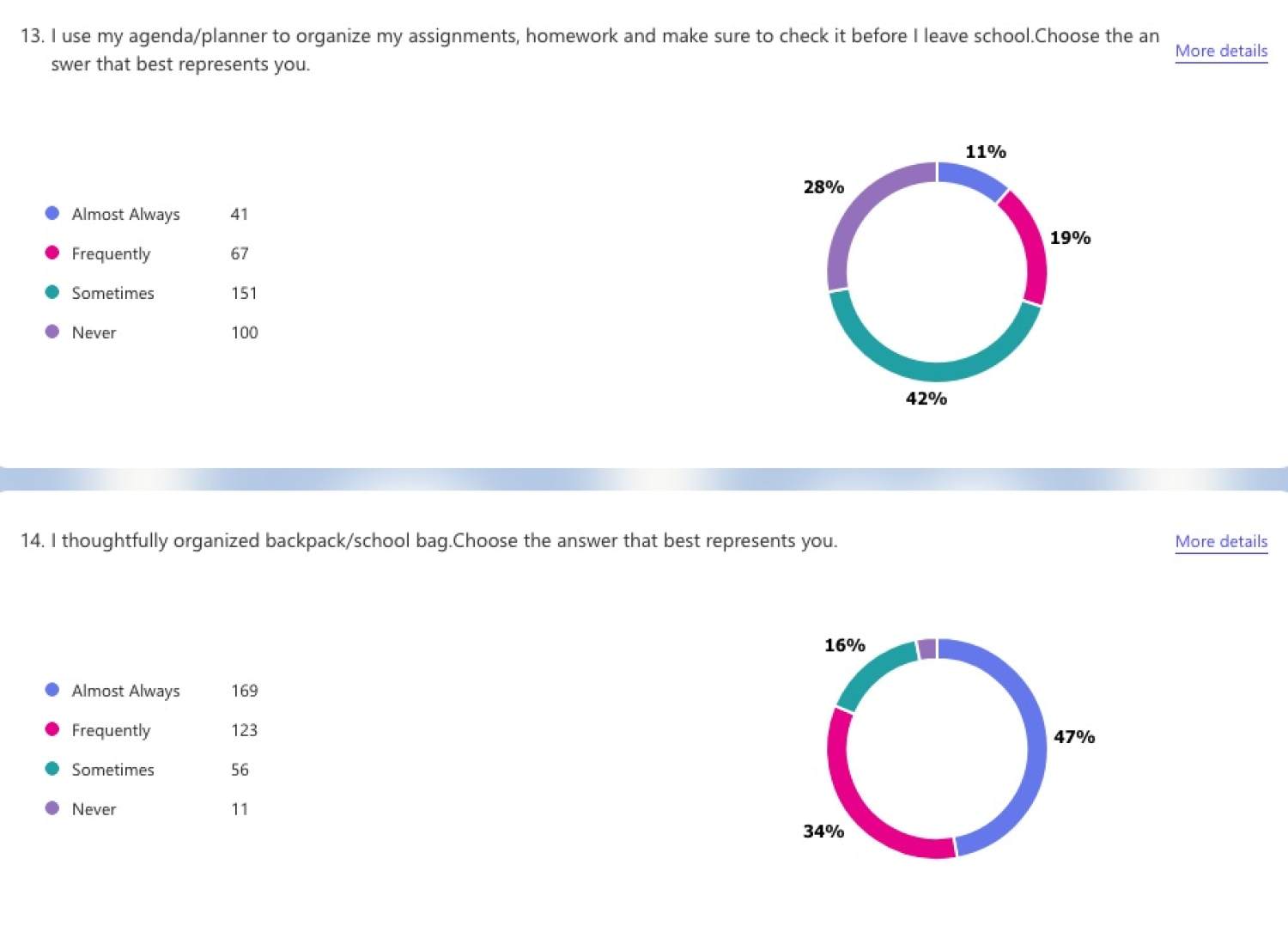
| What targeted actions did we take to address our school’s learning focus? | Executive Functioning Skills (Agenda Use, Binder Organization, Reading Skills) Agenda Use - Teachers paused instruction before the bell to provide explicit time for students to record homework, reminders, and upcoming assessments.
- Teachers periodically checked agendas to reinforce consistent use.
- Advisory reinforced shared language around planning and time management.
Binder Organization - Teachers provided explicit, step‑by‑step instruction on setting up binders with dividers.
- Staff reinforced the routine of placing handouts directly into the correct sections.
- Teachers ensured materials were hole‑punched before distribution.
- Suggested practice: Grade 8 Advisory teachers supported binder checks to build early habits.
Reading Assessment (Word Skills, Main Idea/Details, Response to Text) - Conducted schoolwide reading assessments to identify skill gaps.
- Small-group and embedded classroom instruction targeted:
- Word recognition and decoding strategies
- Identifying main ideas and supporting details
- Citing evidence when responding to text
- Teachers used common prompts and shared rubrics to support consistent expectations.
|
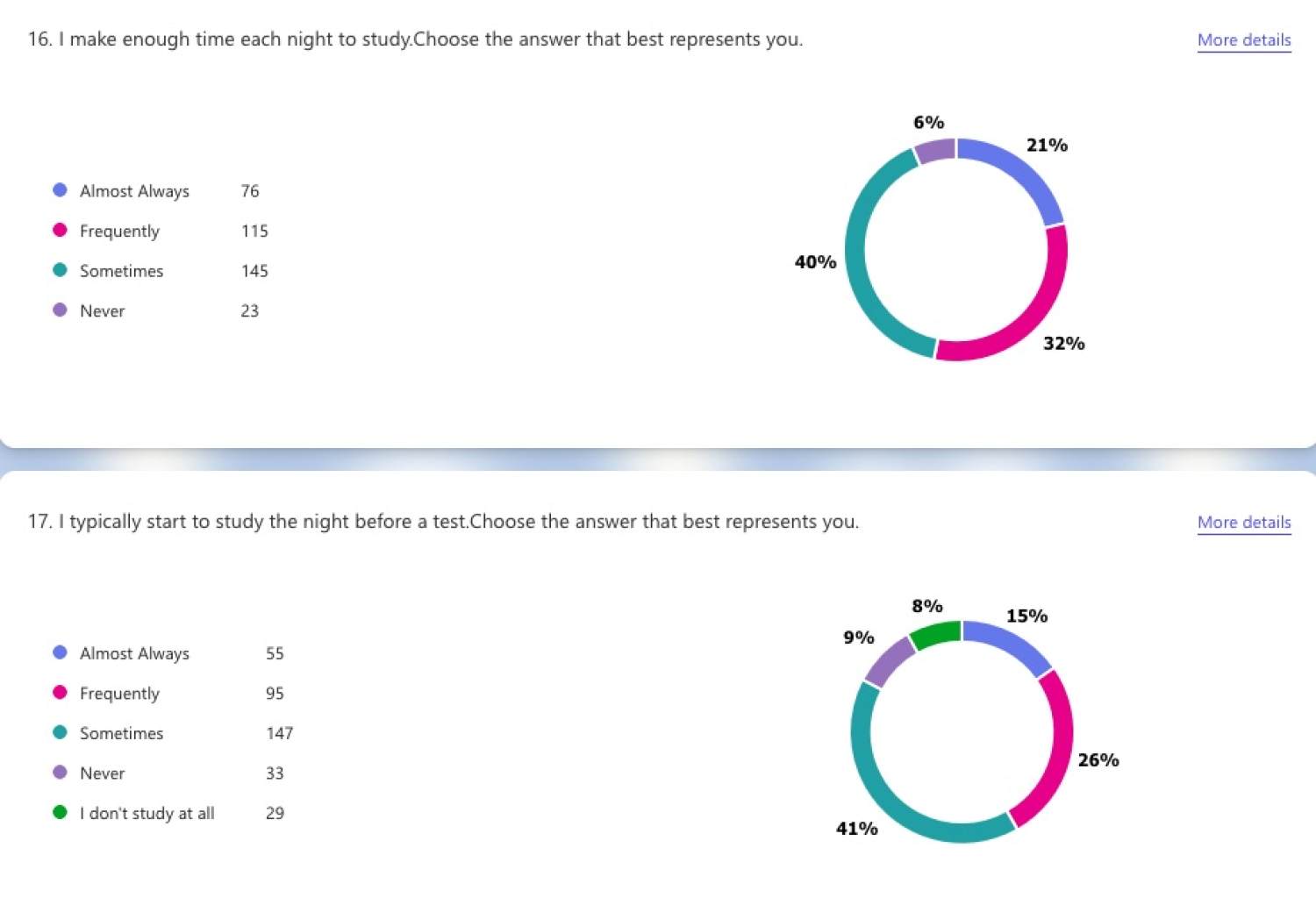
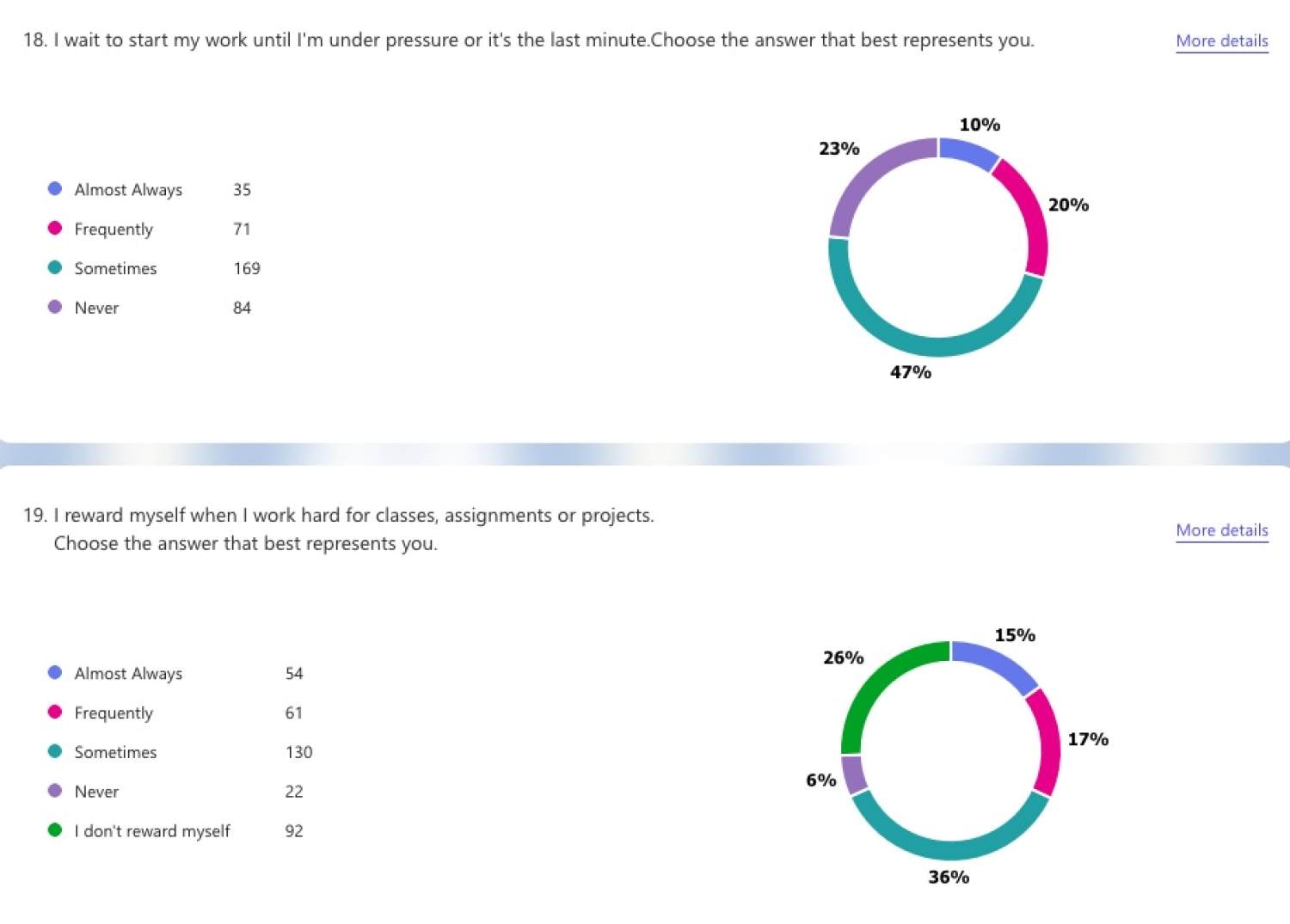
| What gap or problem do these actions aim to address? Why was this particular strategy/action chosen? | Identified Gaps - Varied levels of executive functioning skills among students, impacting academic performance differently.
- Many Grade 8–10 students demonstrated inconsistent organization habits, leading to lost work, incomplete assignments, and difficulty managing deadlines.
- Assessment data revealed gaps in:
- Word Skills (decoding, fluency)
- Main Ideas & Details
- Responding to text with evidence
Rationale for Strategies - Executive functioning skills are foundational for learning, independence, and long-term academic success.
- Consistent routines (agenda use, binder systems) help reduce cognitive load and build predictable habits.
- Embedded EF instruction within classes ensures equity, reaching all students rather than only those needing additional support.
- Reading skill gaps directly affect achievement in all subjects; therefore, addressing them was essential to improving comprehension and overall performance.
- Strategies chosen emphasize:
- Explicit instruction
- Consistency across classes
- Reinforcement aligned with adolescent learning needs
- Opportunities for students to practice and reflect
|
| Based on quantitative and qualitative data (including feedback from scanning), how effectively has this strategy addressed the identified gap or problem? | Early Indicators of Impact Agenda Use - Majority of students demonstrate improved routine use when teachers consistently provide time and check-ins.
- Students report that agenda reminders reduce stress and help them track deadlines.
- Teachers note greater follow-through on assignments when agenda checks occur.
Binder Organization - Students with explicit setup + weekly reinforcement maintained organized binders longer.
- In classes without consistent reminders, binder organization deteriorated more quickly—highlighting the importance of structured cues.
- Grade 8 teachers observed that binder checks improved students’ ability to access materials promptly.
Reading Assessment Results - Data show improvement in:
- Locating main ideas
- Pulling details from text
- Students still require support with:
- Word skills (decoding unfamiliar vocabulary
- Providing text evidence consistently in written responses
- Qualitative feedback from teachers suggests that students who improved their organizational skills also showed better performance on reading tasks—indicating a cross-domain benefit.
|
| How will we move forward accordingly? What adjustments do we need to make if we have or have not achieved our goals? | Next Steps & Adjustments Strengthen Schoolwide Consistency - Embed agenda-writing pauses as part of daily routines in all classes.
- Implement monthly binder checks in Grade 8 Advisory and optional checks in Grade 9–10 classes.
- Revisit common language for executive functioning to ensure alignment across departments.
Continue Explicit EF Instruction - Provide short, skill-focused “EF Mini-Lessons” (e.g., how to prioritize tasks, how to prepare for quizzes).
- Increase modelling of how to organize materials and plan ahead for assessments.
Deepen Literacy Support - Provide targeted small‑group instruction for students with persistent word‑skill gaps.
- Expand reading strategies instruction that focuses on:
- Citing evidence
- Understanding text structure
- Synthesizing information
- Re-administer assessments to measure growth and adjust instruction.
Build Student Ownership - Create student-facing visuals and checklists for agenda use, binder organization, and reading strategies.
- Encourage students to self-assess their EF growth each term.
Continue Data Collection - Collect mid-year and year-end data to determine which strategies yield the highest impact.
Use scanning conversations with students to understand which routines feel most helpful. |
Updated:
Tuesday, March 10, 2026